

When “Crate & Rotate” Becomes a Way of Life: The Hidden Cost to Dogs and Fosters

In rescue, there are phrases we say so often they start to feel normal.
“Crate and rotate.”
“They just need management.”
“It’s temporary.”
But sometimes temporary turns into years.
And that’s when we need to talk about it.
What Is Crate & Rotate?
Crate and rotate is a management system used when dogs in the same household cannot safely interact. One dog is out while the other is crated or separated. Then they switch.
It can be necessary.
It can be responsible.
It can prevent serious injury.
But it is not neutral.
It comes with a cost.
The Toll on the Dogs
Dogs are social animals. Even independent ones still crave:
Movement
Stability
Predictable access to their people
Freedom to decompress
When crate and rotate becomes long-term:
Some dogs develop barrier frustration.
Some escalate reactivity.
Some shut down.
Some become hypervigilant.
Some lose valuable social learning opportunities.
And even the “easy” dog feels it.
They sense tension.
They learn patterns.
They adapt to confinement as normal.
We can manage behavior — but we cannot pretend it doesn’t impact mental health.
The Toll on Fosters (That No One Talks About)
This is the part that hurts the most.
Crate and rotate isn’t just a dog management plan.
It becomes a lifestyle.
You can’t:
Leave doors open.
Relax fully.
Move casually through your home.
Travel easily.
Have people over without planning.
Decompress without thinking three steps ahead.
You live in constant mental math:
“Who’s out?”
“Who’s next?”
“Did I latch that gate?”
“Did I double-check that door?”
And when you do this for months… or years?
It changes you.
It creates anxiety.
It creates fatigue.
It creates resentment you don’t want to feel.
It creates guilt for even feeling tired.
Rescue culture often celebrates the sacrifice.
But rarely do we acknowledge the burnout.
“But We’re Saving Lives”
Yes.
And that matters.
But sustainable rescue matters too.
If crate and rotate is a short-term bridge to stability, training, or placement — it can absolutely be the right decision.
If it becomes indefinite because we have nowhere else for a dog to go?
Then we need to be honest about what that means.
Not just for the dog.
Not just for the foster.
But for the entire rescue ecosystem.
Hard Truth: Management Is Not the Same as Resolution
Management prevents incidents.
It does not fix incompatibility.
Sometimes training improves things.
Sometimes medication helps.
Sometimes structure works.
And sometimes… it doesn’t.
We can love a dog deeply and still admit a situation isn’t ideal long-term.
That doesn’t make us failures.
It makes us responsible.
Why This Conversation Matters
If we don’t talk about the emotional cost:
Fosters quit silently.
Good homes burn out.
Dogs cycle unnecessarily.
Rescues lose capacity.
And the dogs we’re trying to protect suffer indirectly.
We need more honest conversations.
Less judgment.
More support.
If You Are Crate & Rotating Right Now
I see you.
You are not weak for feeling tired.
You are not selfish for wanting peace.
You are not failing if you need help.
Ask:
Is this temporary or indefinite?
Is there a realistic path forward?
Is this sustainable for my household?
Rescue should not require living in a constant state of stress.
Final Thought:
Crate and rotate can save lives.
But if we normalize long-term confinement and high-alert living without acknowledging the toll — we’re not being fully honest.
We can love dogs fiercely.
We can advocate hard.
We can save lives.
And we can also build systems that protect the humans doing the saving.
Because burned-out fosters don’t help anyone.
And stressed dogs deserve more than survival.
They deserve stability.
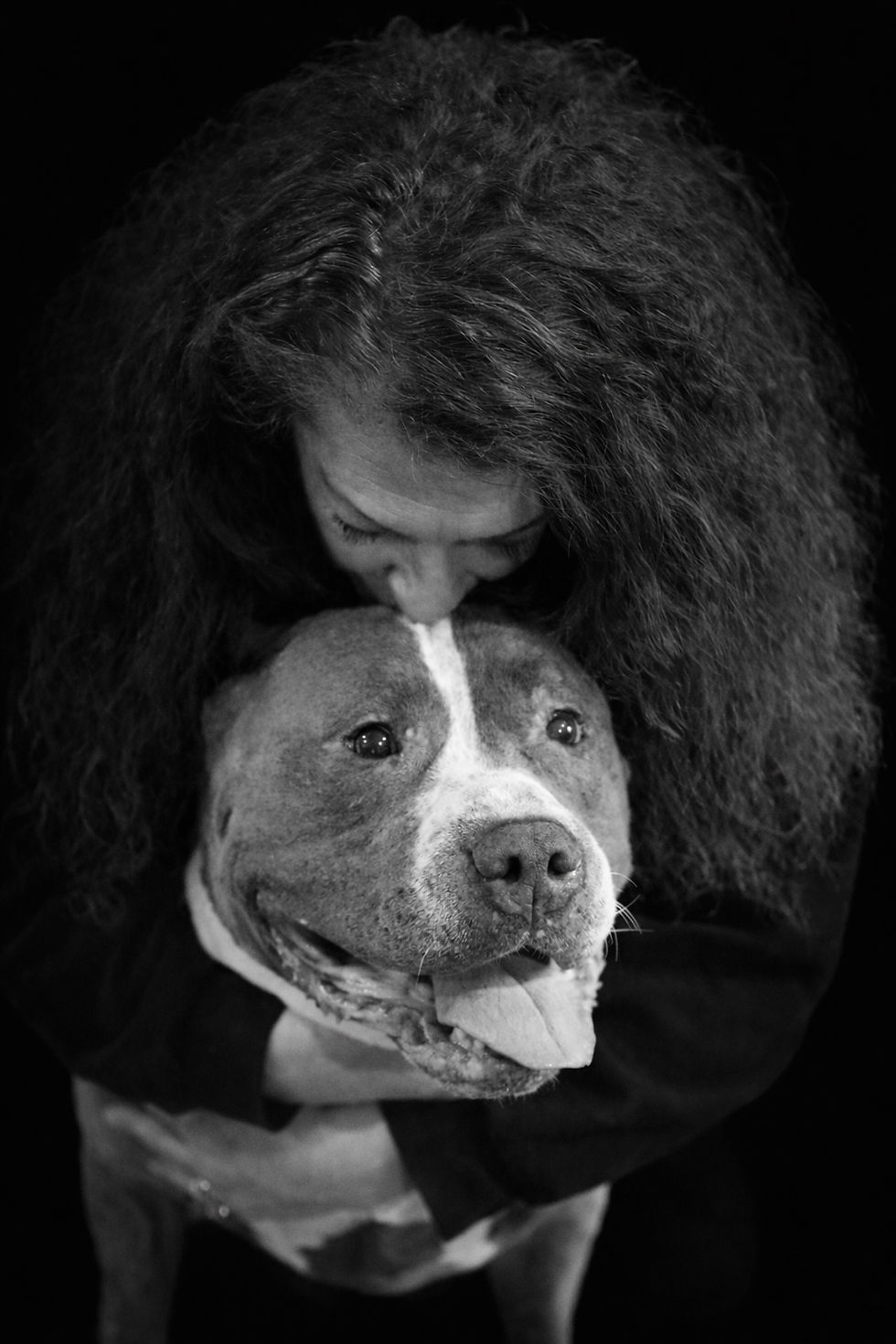
This post really hit home for me. It reminded me of a time a few years back when we fostered a sweet older dog, Buster. He was a wonderful boy, but he’d clearly bounced around a lot before coming to us. He was so anxious about everything, especially any kind of change https://en.wikipedia.org/wiki/Roulette Even rearranging our living room furniture sent him into a tailspin of hiding and trembling. We tried so hard to create a stable, loving environment, but you could just see the deep-seated insecurity in his eyes. It made me wonder how many dogs are living with that constant undercurrent of stress, never truly feeling safe because they've experienced so much impermanence. It's a tough reality to face,…
Riconosco che l'argomentazione procede senza digressioni inutili. Le interpretazioni rimangono ancorate a dati verificabili. Il sito web aggiunge profondità e sfumatura alle questioni sollevate qui. I servizi digitali basati su piattaforme aiutano a contestualizzare le tendenze di scala.