
A Responsible Owner’s Guide to Raising a Well-Behaved Bully Breed

Bully breeds, with their strength, intelligence, and loyalty, make incredible companions. However, being a responsible owner is essential to ensuring they are well-behaved, happy, and safe members of your family and community. At Lucci’s House Bully Rescue, we’re committed to helping owners understand what it takes to raise a bully breed responsibly. Here’s a comprehensive guide to help you navigate this rewarding journey.
Understanding Bully Breeds
Bully breeds, such as Pit Bulls, Staffordshire Terriers, and American Bulldogs, are known for their muscular builds and strong-willed personalities. While they are loving and loyal, they also require proper care, training, and socialization to thrive. Misunderstandings about these breeds often stem from irresponsible ownership, making it even more important for owners to set a positive example.
The Foundations of Responsible Ownership
1. Commit to Proper Training
Training is crucial for any dog, but especially for strong and intelligent breeds like bullies. A well-trained dog is not only a joy to be around but also a great ambassador for the breed.
Start Early: Begin training as soon as possible, ideally when your dog is a puppy.
Use Positive Reinforcement: Reward good behavior with treats, praise, and affection. Avoid punishment, which can lead to fear or aggression.
Teach Basic Commands: Focus on essential commands like “sit,” “stay,” “come,” and “leave it.”
Enroll in Obedience Classes: Professional trainers can provide guidance and help with advanced training needs.
2. Socialize Your Dog
Socialization helps your bully breed feel comfortable and confident in different situations.
Expose Them Early: Introduce your dog to a variety of people, animals, and environments from a young age.
Take It Slow: Allow your dog to approach new experiences at their own pace. Reward calm and friendly behavior.
Supervise Interactions: Always monitor interactions with other animals and children to ensure safety for everyone involved.
3. Provide Regular Exercise
Bully breeds are energetic and require regular physical and mental stimulation.
Daily Walks: Aim for at least 30-60 minutes of exercise daily.
Playtime: Engage in activities like fetch, tug-of-war, or agility training.
Interactive Toys: Use puzzle toys and treat dispensers to challenge their minds.
4. Prioritize Health Care
Regular veterinary care is essential to keeping your bully breed healthy.
Vaccinations and Preventatives: Stay up-to-date on vaccinations, flea and tick prevention, and heartworm medication.
Spaying/Neutering: This can prevent unwanted litters and reduce certain behavioral issues.
Routine Check-Ups: Schedule regular vet visits to monitor your dog’s overall health.
5. Be a Responsible Advocate
Bully breeds often face prejudice due to stereotypes. As an owner, you play a key role in changing perceptions.
Model Good Behavior: Ensure your dog is always under control and behaves well in public.
Educate Others: Share positive stories and facts about bully breeds to counter misinformation.
Comply with Local Laws: Follow leash laws, licensing requirements, and other regulations in your area.
Addressing Common Challenges
1. Dealing with Reactivity
If your dog reacts strongly to other animals or stimuli, work on desensitization and counter-conditioning with the help of a professional trainer.
2. Managing High Energy Levels
Provide ample exercise and mental stimulation to prevent boredom and destructive behavior.
3. Overcoming Stigma
Stay patient and kind when encountering bias or fear from others. Your dog’s behavior can help change hearts and minds.
Building a Lifelong Bond
Responsible ownership isn’t just about training and care; it’s about building a deep, trusting relationship with your dog. Spend quality time together, celebrate their achievements, and always treat them with love and respect.
Resources and Support
Raising a well-behaved bully breed takes effort, but you don’t have to do it alone. Seek out resources like:
Local Trainers: Look for professionals experienced with bully breeds.
Rescue Organizations: Lucci’s House Bully Rescue offers guidance, support, and training tips.
Online Communities: Join forums or social media groups for advice and camaraderie.
Conclusion
Raising a bully breed responsibly is an incredibly rewarding experience. By providing proper training, socialization, and care, you’re not only setting your dog up for success but also helping to change the narrative surrounding these misunderstood breeds. At Lucci’s House Bully Rescue, we’re here to support you every step of the way. Together, we can create a world where bully breeds are recognized for the loving, loyal companions they truly are.

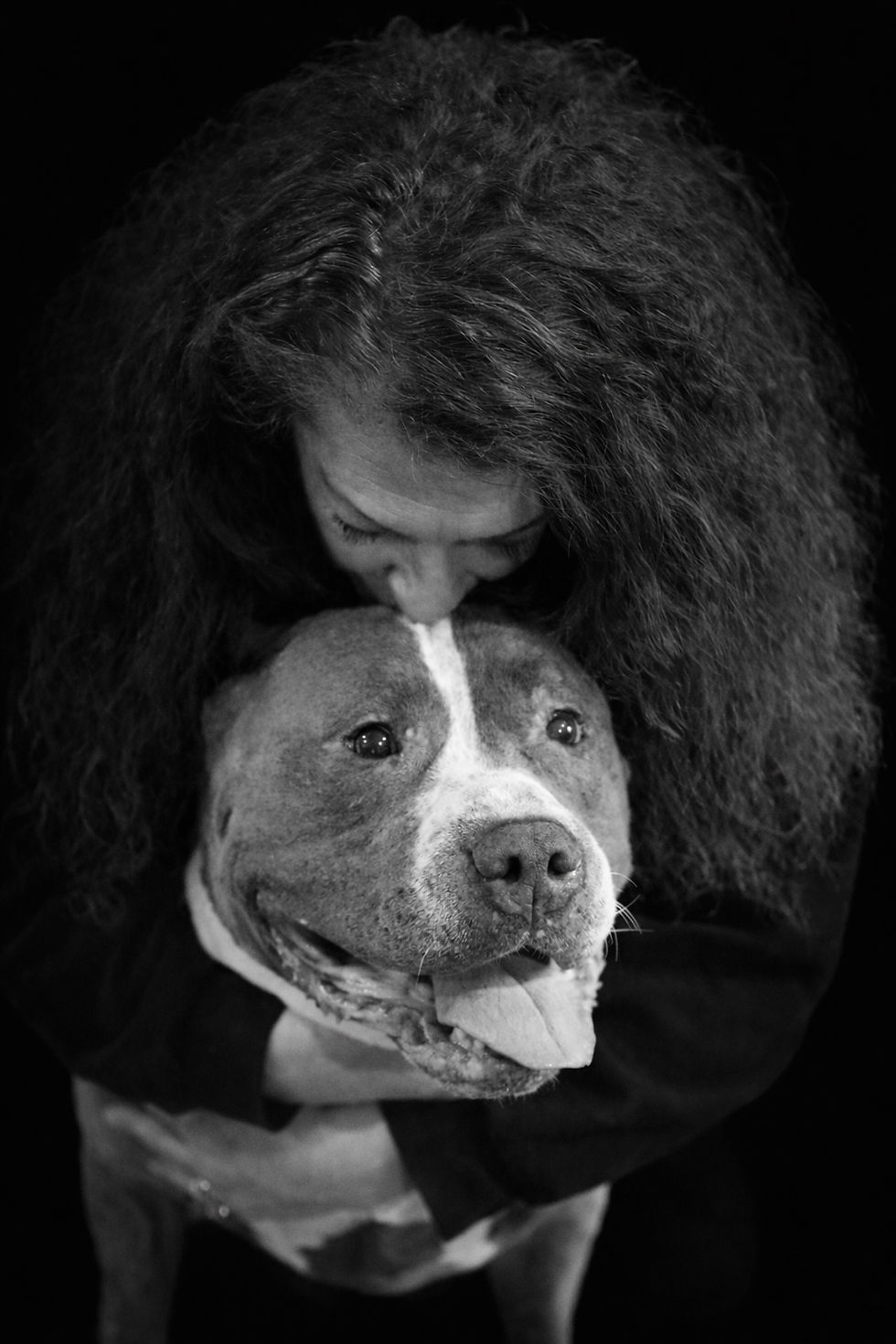
Reading this reminded me of the first year I had my American Bulldog, Max. I thought I could wing it, but his boundless energy and stubborn streak quickly taught me that consistency was everything. I started with short, focused training sessions each morning before work, using high‑value treats and a firm, calm voice https://www.aic.gov.au/ The turning point came when I stopped letting him jump on guests and instead rewarded him for sitting politely at the door; the change was almost immediate. I also learned to give him plenty of mental stimulation—puzzle toys and structured play—so he wasn’t resorting to chewing furniture out of boredom. It wasn’t easy, but the bond we built through clear boundaries and positive reinforcement made him…
This title really caught my eye. It reminds me of when I adopted my pit bull mix, Daisy. Everyone warned me about her breed, and honestly, I was a little nervous myself despite wanting to give her a good home. The first few weeks were a whirlwind of training classes and trying to understand her energy levels https://en.wikipedia.org/wiki/Online_bingo I remember one afternoon at the park, a child got too close to her leash, and for a split second, Daisy tensed up. My heart leaped into my throat, but I calmly redirected her attention with a treat and a command. It was a small moment, but it solidified for me how crucial consistent training and understanding are. This guide sounds like…
This title really resonated with me. It reminded me of when my neighbor got a pit bull a few years back. Honestly, I was a little apprehensive at first, given some of the stereotypes. But this dog, named Rocky, was just the sweetest thing. His owner, Sarah, had clearly put so much work into training and socializing him from a young age https://www.esafety.gov.au/ He was incredibly gentle with kids, and even with my own skittish cat, he was patient and curious rather than aggressive. It was a perfect illustration of how important responsible ownership is for *any* breed, but especially for those that can be misunderstood. It’s not just about the dog’s inherent nature, but the environment and guidance they…