
Why Are Bully Breeds Overrepresented in Shelters? A Deep Dive
- Ben Johnson
- Jan 29, 2025
- 3 min read

Walk into almost any animal shelter, and you’re likely to find a large number of bully breeds waiting for their forever homes. Breeds like Pit Bulls, Staffordshire Terriers, and American Bulldogs often dominate the shelter population. But why is this the case? At Lucci’s House Bully Rescue, we’re committed to addressing the root causes of this issue and advocating for change. Let’s take a closer look at the factors contributing to the overrepresentation of bully breeds in shelters.
Misconceptions and Stigma
One of the primary reasons bully breeds end up in shelters is the persistent stigma surrounding them. Misunderstandings about their temperament and behavior create barriers to adoption and responsible ownership:
Myth of Aggression: Many people believe that bully breeds are inherently aggressive, even though studies show behavior is shaped by training and environment rather than breed.
Media Sensationalism: Negative stories involving bully breeds often receive disproportionate attention, perpetuating fear and misinformation.
Breed-Specific Legislation (BSL): Laws targeting specific breeds make it harder for people to own bully breeds, leading to increased relinquishment.
Overbreeding and Backyard Breeders
Overbreeding is a significant factor contributing to the high numbers of bully breeds in shelters:
High Demand and Poor Practices: Bully breeds have historically been popular for their strength and loyalty. Unfortunately, this demand has led to irresponsible breeding practices, including backyard breeders who prioritize profit over the health and well-being of the dogs.
Unplanned Litters: Many bully breeds are not spayed or neutered, leading to unplanned litters that overwhelm shelters.
Economic and Housing Challenges
Bully breeds are often victims of external circumstances beyond their control:
Economic Hardship: Financial difficulties can force families to surrender their pets, and bully breeds, due to their size and perceived needs, are often the first to go.
Housing Restrictions: Many rental properties and homeowners’ insurance policies have breed restrictions, leaving bully breed owners with limited housing options. This often results in dogs being surrendered to shelters.
Lack of Understanding and Training
Bully breeds are strong, energetic, and intelligent—qualities that require responsible ownership. When owners are unprepared for their needs:
Behavioral Issues Arise: Without proper training and socialization, bully breeds may develop behaviors that lead to relinquishment.
Misinformation About Needs: Many people underestimate the time and effort required to care for a high-energy dog, leading to frustration and surrender.
Solutions to Reduce Shelter Overpopulation
Addressing the overrepresentation of bully breeds in shelters requires a multi-faceted approach. Here’s how we can help:
1. Education and Advocacy
Dispel Myths: Share the truth about bully breeds—their loyalty, intelligence, and loving nature.
Promote Responsible Ownership: Educate potential owners about the importance of training, socialization, and meeting their dog’s physical and mental needs.
2. Support Spaying and Neutering
Affordable Programs: Support and promote low-cost spay/neuter programs to reduce unplanned litters.
Community Outreach: Partner with local organizations to educate owners about the benefits of spaying and neutering.
3. Advocate Against BSL
Breed-Neutral Policies: Work towards laws that focus on responsible ownership and individual behavior rather than targeting specific breeds.
Public Awareness Campaigns: Highlight the negative impact of BSL on families and shelters.
4. Foster and Adopt
Open Your Home: Consider fostering or adopting a bully breed to reduce shelter overcrowding and give these dogs a second chance.
Share Success Stories: Celebrate the positive impact of bully breeds in families and communities to inspire others to adopt.
A Call to Action
The overrepresentation of bully breeds in shelters is not the fault of the dogs but the result of societal challenges and misunderstandings. By addressing the root causes and working together as advocates, educators, and adopters, we can create a brighter future for these incredible dogs.
At Lucci’s House Bully Rescue, we’re dedicated to changing the narrative and finding loving homes for every bully breed in need. Join us in our mission to ensure that no bully breed is left behind.

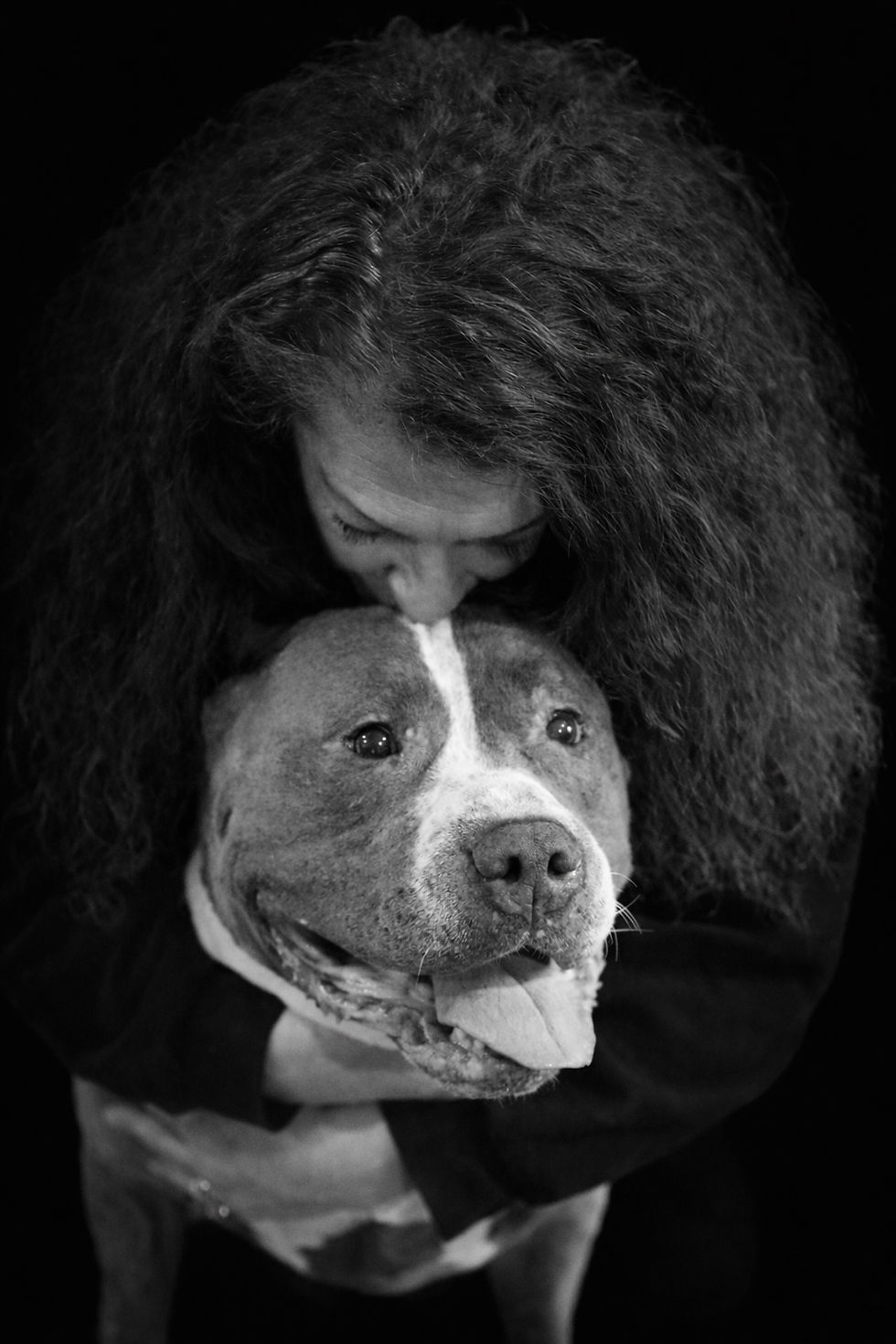
This is such an important topic. It really hit home for me because my neighbor had a pit bull mix named Buster. He was the gentlest dog you could ever imagine, always wagging his tail and wanting belly rubs. He’d get so excited when kids walked by, just wanting to say hello. But I’d see people cross the street, clutching their purses a little tighter, and I could feel their fear https://en.wikipedia.org/wiki/Full_Tilt_Poker It was heartbreaking because Buster was just a big, goofy love bug. He’d never hurt a fly. I think so many people just see the breed and make assumptions without ever getting to know the individual dog. It’s a shame that so much of it comes down to…
This is such an important topic, and I really appreciate you taking the time to explore it. It immediately brought to mind a dog I knew years ago, a beautiful pit bull mix named Buster. He'd been surrendered by his family because they were moving and couldn't take him, which felt so unfair to him https://web.archive.org/web/20120805200217/http://www.justice.gov/usao/nys/pressreleases/july12/pokersettlement.html Buster was the gentlest giant, always wanting to be near you, and he had this goofy way of nudging your hand for pets. He spent far too long in the shelter, and I always wondered if his breed played a part in people overlooking him. It's heartbreaking to think that so many loving dogs are labeled by their appearance rather than their individual personalities.…